
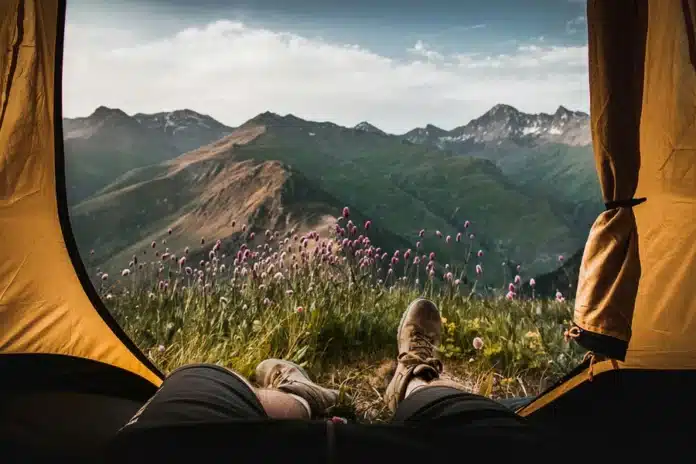
Whether you’ve spent years sleeping under the stars or you’re gearing up for your very first night in a tent, one thing stays the same: a good camping trip is a safe and comfortable one. What “safe and comfortable” looks like, though, depends on a lot — where you’re going, how you like to camp, the season, and your own needs and preferences. Get those details right, and the rest tends to fall into place. Here’s how to plan a trip that actually goes the way you hoped.
1. Pick the camping style that fits you
There’s no single “right” way to camp. Your options run the whole spectrum — from minimalist backcountry trips in the middle of nowhere to fully loaded glamping sites, developed campgrounds with amenities, RV setups, and rented shelters.
The style you choose depends on more than just the location. It should match your own experience level, too. If this is your first outing, lean toward comfort, easy access, and a setup that plays to your strengths rather than testing them.
2. Do your homework on the site
Once you’ve settled on a style, it’s time to lock in a location. Planning to use a developed site? Confirm that it suits the kind of camping you have in mind, and look into the site rules, the fees, and which amenities are actually available.
Remote spots usually cost little or nothing, but you trade away convenience. Before heading somewhere off the grid, find out where the nearest town is, whether you’ll have access to water, and what gear the terrain demands. Also check whether the area requires a permit or has its own safety regulations.
3. Time it right
As a general rule, camping is easier during the warmer, drier stretches of the year — though the ideal window shifts from place to place. Spring and fall bring mild temperatures but often come with rain. Summer offers warmth and stable conditions, yet extreme heat needs its own kind of prep. Winter camping? That’s advanced territory, unless you’re booking a site with plenty of amenities.
The time of month matters too. Planning around a full moon gives you far better visibility at night. That’s a minor perk at a developed campground, but it can make a real difference in a remote setting.
4. Watch the forecast
A single location can feel like two completely different places depending on the season. A spot that’s perfect for summer tent camping might be brutal once the cold sets in, so research the typical conditions for the time of year you’re going.
Then keep an eye on the forecast in the days right before you leave. Weather can turn quickly, and a sudden shift may mean packing different gear, changing your plans, or calling the whole thing off.
5. Plan your food
What you eat on the trail comes down to personal taste — but your camping style shapes it just as much. Staying at a campground or traveling by RV usually means access to stoves, cookware, and storage. Backpacking into a remote area limits you to whatever you can carry on your back.
Either way, you’ll thank yourself for prepping meals or ingredients ahead of time and leaning on quick, simple options. And if you plan to cook over a fire or portable stove, check the local fire regulations first.
6. Mind your camping etiquette
Your behavior on the trail is partly shaped by where you are and how you’re camping, but a few ground rules apply almost everywhere. At a developed campground, be considerate of the people around you — honor quiet hours, respect personal space, and share the facilities fairly.
No matter the style, and especially in remote areas, follow the “Leave No Trace” principles: pack out your trash and food scraps, stick to fire safety rules, and keep light and noise pollution to a minimum.
7. Respect the wildlife
Knowing how to handle wildlife encounters — and how to avoid them — is a core camping skill. Remember, we’re the visitors in an animal’s home. To keep from drawing them in, keep your campsite clean and stash food and leftovers in airtight containers.
If you do come across a wild animal, keep your distance: at least 25 yards for smaller animals, and a minimum of 100 yards for predators and large animals — and never feed them. Camping with young kids or pets? Be extra careful to keep them well away from any wildlife.
8. Don’t skimp on comfort
Even the most stripped-down trip can still be comfortable if you get one thing right: your sleep setup. Invest in an insulated pad or inflatable mattress, an insulated sleeping bag, and a tent with a little room to breathe.
Heading out in colder months or to a remote area? Pack the right clothes. Layering is your best friend — breathable fabrics closest to your skin, an insulating layer over that, and a waterproof shell on the outside.
9. Take safety seriously
Staying safe starts before you ever leave home. Scout your location ahead of time and note the nearest town, medical center, and police station. Share your trip details with a friend or family member so someone can check in on you, and pack a power bank so you’re never completely cut off.
Once you’re there, set up camp during daylight so you can spot hazards like dead branches overhead or ground prone to flooding. Follow official guidance on fire safety and wildlife, and always run portable stoves out in the open — never in an enclosed space.
10. Make a list — and check it
Few things sting like arriving at a beautifully planned campsite only to realize your sleeping bag is still sitting by the front door, or that you never bought snacks. A great trip hinges on dozens of small details, and the little ones you’d never think twice about are often the ones that can make or break it.
As you plan, write down everything you absolutely need, everything you’d like to bring, and everything still left to research. In the final days before you go, run through the list and knock out whatever’s still pending — so the only surprises waiting for you are the good kind.
By Marcus Bennett | General